
A few years ago, I participated in a shamanic workshop. As an immigrant from Taiwan who moved to Canada when I was in my 20s, my mother tongue is Mandarin. I like to take notes in Chinese. This is the fastest way for me to write in a workshop that follows the oral tradition.
One of the participants sitting next to me, a Canadian-born lady in her 70s, looked at my writing in awe. She said “your writing is so beautiful and amazing.” I was so flattered. I hadn’t received a compliment about my writing since I graduated from school. LOL. She looked at my notes as if they are some beautiful piece of art. I didn’t realize it could be a piece of art until our conversation. To my fellow Chinese speakers and me, it’s just as normal and plain as eating and drinking.
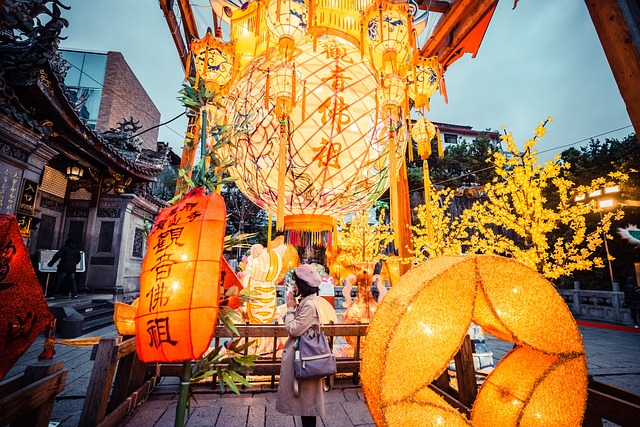
She asked me about Chinese cultures and we exchange some thoughts. Then, she said “It is so wonderful that you come from a place with so much culture. We don’t have culture here.”
It was the first time I heard this expression–we have no culture.
To me, it is an impossible statement. Growing up in Taiwan, Western culture was trendy. If you know how to speak English or dress more Westernized, people would look at you with admiration. Therefore, I always felt the strong presence of the Western culture, whether it be American, Canadian or European.
I told her “you have culture.” Then I told her how Taiwanese people admire Western cultures. She was in disbelief. She told me ever since she started to explore shamanism, she felt the barreness of spirit, ritual, diversity…in her culture. She admires how all the Indigenous cultures she’d been learning about have their own tradition to connect with something in the mystery, home, and ancestors.
I could sense her sorrow talking about this loss.
Years later, I studied Family and Systemic Constellation and became the facilitator. I thought of her one day. I realized her sorrow of loss came from her disconnection from her ancestry. The eagerness of “going home” through shamanic practice was a longing for belonging and the recognition of her ancient roots.
Francesca Mason Boring, an American Family and Systemic Constellation facilitator and teacher said in her book- Connecting with Our Ancestral Past said,
That all people have within their ancient roots some indigenous field allows an opening to wisdom arising within our individual family field. Citizens of the United States, Canada, and Australia (countries of immigrants and descendants of immigrants) still have within their knowing “fields” the mother lands that hold their ancestors’ blood and bones.
A person may, on the surface, have no history, no roots, and no remembrance of traditions. However, within the family field, our ancestry , our genetic memory, and within our blood, there is a remembrance of old songs and ceremonies and a different way of knowing. The ancestries that refuges and transplanted people deny or dismiss still contain within their field truths, teachings and secrets that can restore strength and release our sense of isolation.
The admiration and longing in pursuing other cultures come from the deep echoes in our souls to find our place in our ancestral roots.
We all have culture, which vibrates through our bones and flesh. It carries our own way of life.
When we look down on our own culture, it’s a sign that there could be traumas in our family or cultural system that we refuse to acknowledge or accept.
It’s easier to admire and experience other’s cultures because we are outsiders who don’t need to fully feel and resonate the pain passing down in their system in our body.
If we want to find our way home spiritually , it’s essential to acknowledge and explore where we are from and heal the traumas that are still carried in our blood.


 Family Constellation | Shamanic Healing with Mira Chen
Leave a comment