
What Is Core Shamanism
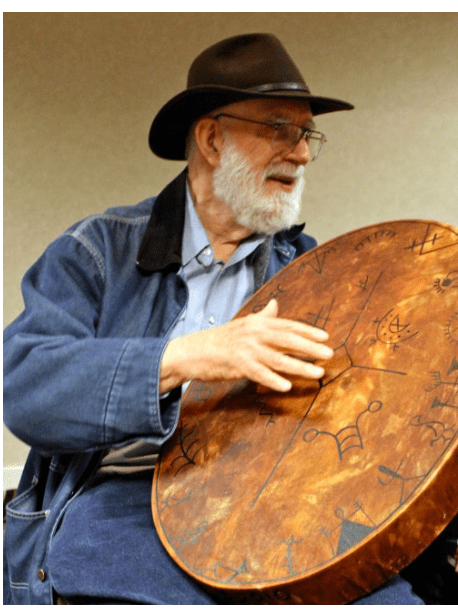
The term Core Shamanism was developed by anthropologist Dr. Michael Harner, one of the pioneering figures who introduced shamanic practices to the Western world in a respectful, research-based way. During his anthropological fieldwork in Indigenous communities throughout the Americas and other regions, Harner encountered shamans whose work deeply intrigued him.
He noticed that many people in these communities sought help from their shamans, often placing great trust in their healing abilities. Yet the shamans’ actions—unfamiliar, symbolic, and unexplainable through Western logic—challenged everything he thought he knew.
Driven by curiosity, Harner once asked a shaman, “What are you doing?”
The shaman simply replied:
“If you’re interested, try it yourself. I cannot explain it to you in words.”
At that moment, Harner crossed the boundary between observer and participant, stepping directly into the world of shamanic experience. Over the following decades, he immersed himself in learning from different shamanic traditions, integrating what he experienced with careful comparison, experimentation, and long-term study.
Through this work, he discovered that despite vast cultural differences, many Indigenous shamanic traditions share common principles and methods—especially in how shamans enter altered states of consciousness, connect with helping spirits, and bring back healing or guidance.
Harner refined these universal elements into what he called Core Shamanism:
a set of universal and near-universal shamanic practices that are:
- Culturally neutral
- Accessible to modern people
- Based on shared methods found in diverse shamanic cultures
- Respectful of Indigenous traditions without copying their rituals
He intentionally removed elements that were culturally specific and inappropriate for Western students, while preserving the essential practices that appear across many shamanic societies.
In 1979, Dr. Harner founded the Foundation for Shamanic Studies (FSS), an organization devoted to:
- Preserving and supporting traditional shamanic cultures
- Offering workshops and training programs
- Making shamanic methods available to contemporary people in a safe and ethical way
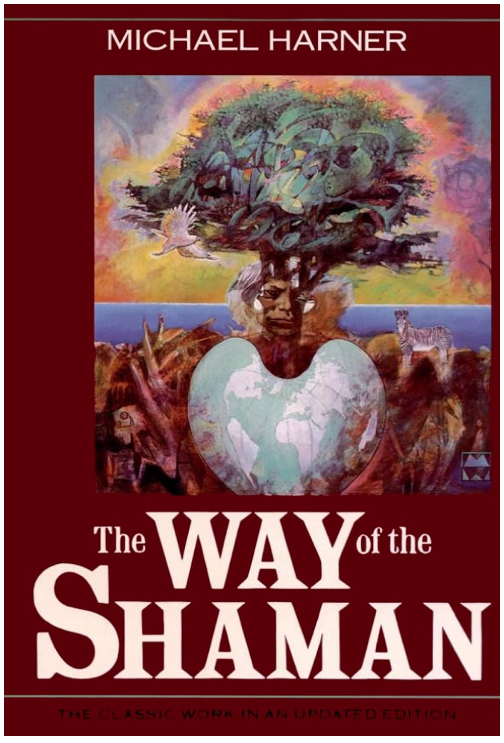
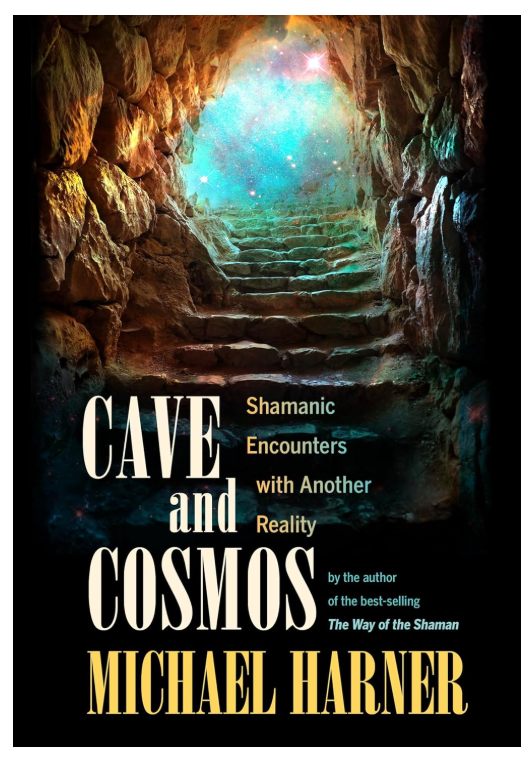
Through his books—The Way of the Shaman and Cave and Cosmos—Harner introduced generations of readers to the principles of shamanic journeying and the structure of non-ordinary reality.
Core Shamanism is not a tradition from one culture but a distillation of universal shamanic principles, crafted for people seeking a respectful and effective way to learn shamanic healing today.
My Path in Shamanism”—conducted by Roger Walsh and Charles S. Grob and published in their book Higher Wisdom: Eminent Elders Explore the Continuing Impact of Psychedelics. In the introduction to that interview, they write:
“What Yogananda did for Hinduism and D. T. Suzuki did for Zen, Michael Harner has done for shamanism, namely bring the tradition and its richness to Western awareness.”
Michael Harner didn’t just understand shamanism academically, but he took the indigenous shamans seriously and learned from them. This attitude was unheard of before. He didn’t think indigenous people are crazy or behind. He brought spiritual integrity to the core shamanic practice.
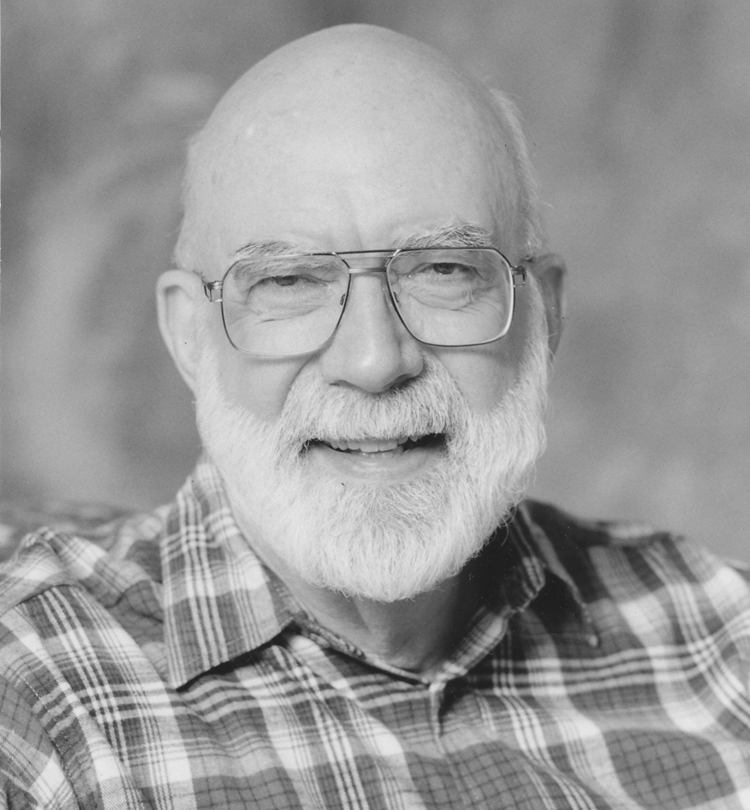
“You are human, whether your ancestors come from Europe, Asia, Africa, or wherever, shamanism once existed there. We are just attempting to go home to our spiritual roots before the state religions, the agrarian centralized religions rose up with autocratic government and said, ‘This is what you’re going to believe, these are the official revelations, take it from us, you can trust us, we got it.’”
~Michael Harner
 Family Constellation | Shamanic Healing with Mira Chen